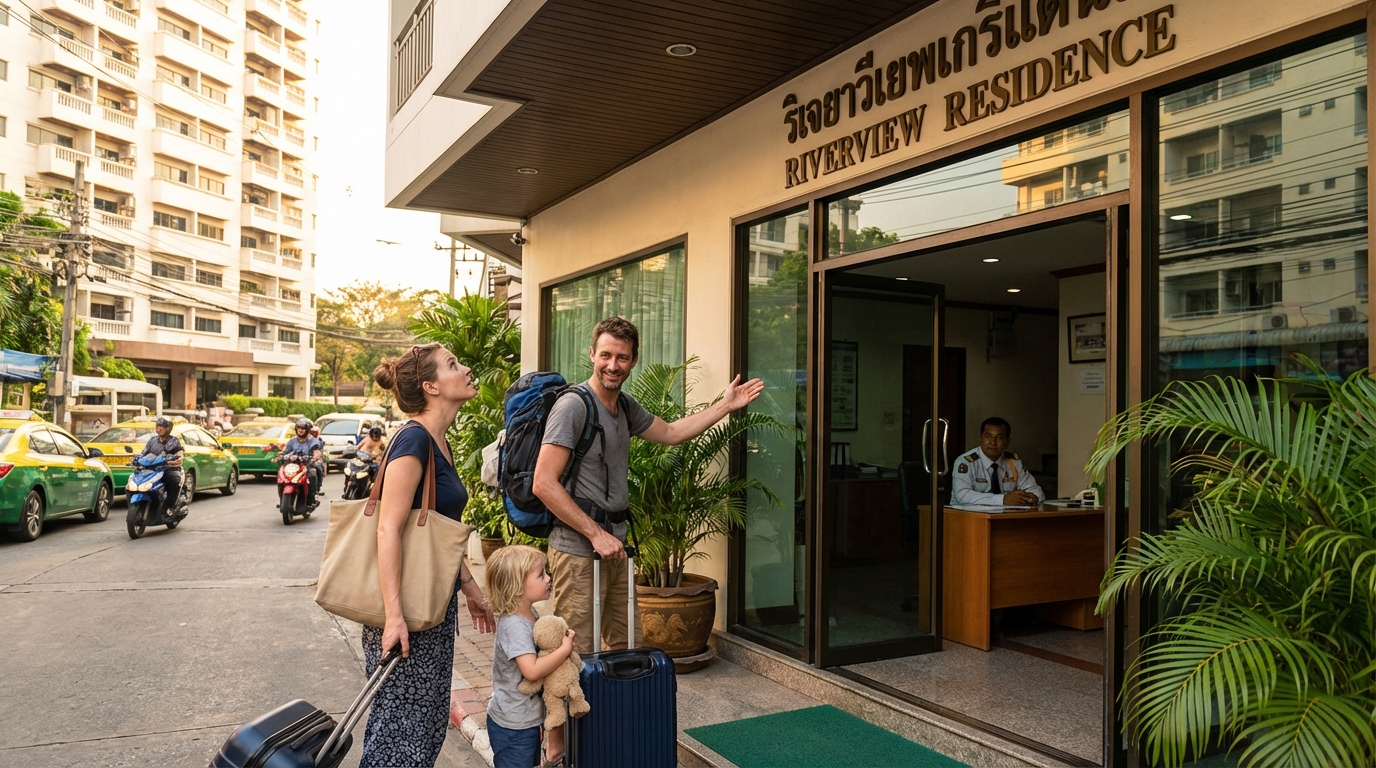
Moving to Bangkok with Kids: A Parent's Guide to Safe Family Housing
You’ve accepted the relocation package. The kids are enrolled at one of Bangkok’s excellent international schools. Now comes the part that keeps expat parents awake at 3 AM: finding a home that’s actually safe for your family in a city you’ve never lived in, navigating a rental market that operates nothing like back home.
We’ve helped dozens of relocating families through this process. Here’s what we wish someone had told us.
Why Families Choose Bangkok
Before diving into the practical challenges, it’s worth acknowledging why so many families make this move. Bangkok offers a combination that’s genuinely difficult to find elsewhere:
World-class international schools. Bangkok has over 180 international schools following British, American, IB, and other curricula. Schools like NIST, ISB, Bangkok Patana, and Shrewsbury consistently rank among Asia’s best. Your children will likely receive an education that rivals or exceeds what’s available back home.
Healthcare that doesn’t require a second mortgage. Bumrungrad, BNH, and Samitivej hospitals are internationally accredited, with English-speaking staff and pediatric specialists. A childhood ear infection doesn’t mean a panicked search for care.
A lifestyle that actually works for families. Domestic help is affordable and common. Grocery delivery arrives within hours. Traffic is brutal, but most expat families live near their children’s schools for a reason. Weekend trips to beaches, mountains, and neighboring countries are measured in budget airline fares, not five-figure vacation budgets.
None of this means Bangkok is without challenges. But the families who thrive here come with eyes open to both the opportunities and the realities.
The Hidden Health Factors Parents Miss
Air Quality: The Invisible Concern
Bangkok’s air quality varies dramatically by season, and most relocating families don’t realize this until they’re living it.
From November through April—Bangkok’s “dry season”—air quality regularly reaches AQI levels of 100-150, with spikes exceeding 200 during the worst periods (typically late February through early April). For context, the World Health Organization considers anything above 50 to be concerning for sensitive groups, including children.
This doesn’t mean Bangkok is unlivable. It means your housing choice matters more than you might realize.
What this means for housing:
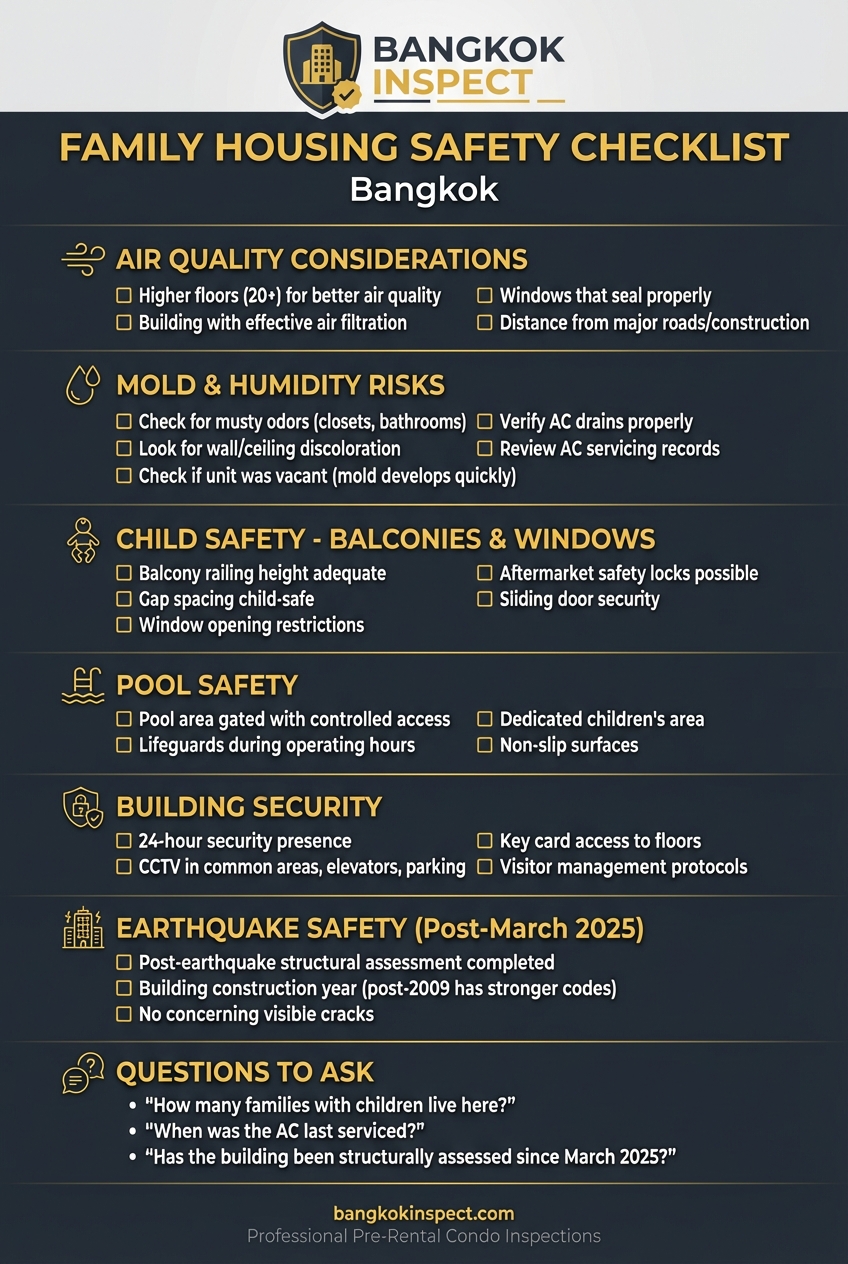
- Units on higher floors (generally above the 20th floor in high-rise buildings) tend to have better air quality, though this varies by location and nearby construction
- Buildings with effective air filtration in common areas and units make a measurable difference
- The ability to seal windows properly matters—older buildings often can’t
- Proximity to major roads and construction sites directly impacts air quality inside your unit
Mold: Bangkok’s Year-Round Reality
Here’s something that catches nearly every temperate-climate family off guard: Bangkok’s 70-80% average humidity (exceeding 80% during rainy season from May through October) creates conditions where mold can establish itself in weeks, not months.
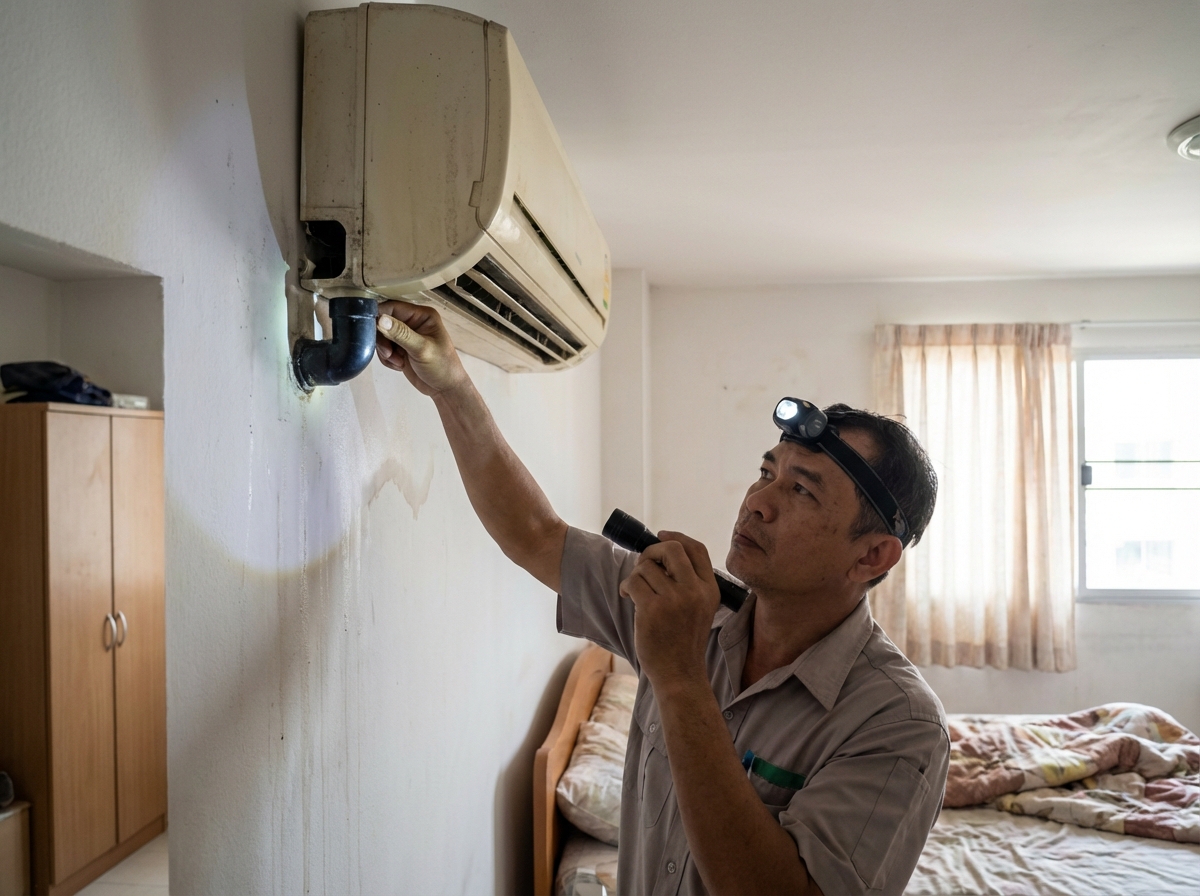
A malfunctioning air conditioning unit doesn’t just mean discomfort. It means potential mold growth behind furniture, inside closets, and in the spots you can’t see during a standard viewing. For children with allergies or asthma, this isn’t just an inconvenience—it’s a health concern that can turn an exciting relocation into months of respiratory issues.
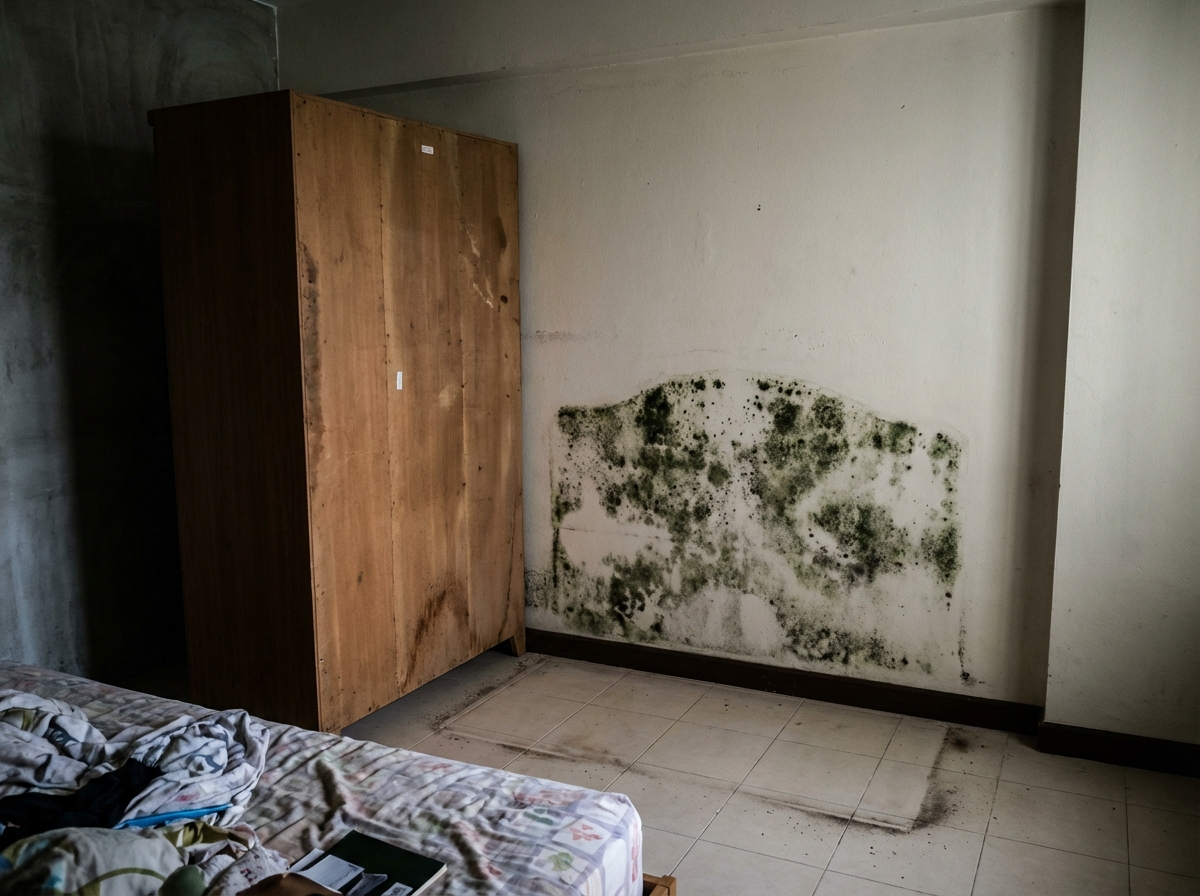
What to look for:
- Musty odors, especially in closets and bathrooms (your nose knows)
- Discoloration on walls, ceilings, or around windows
- AC units that drain properly (improper drainage is a leading cause of interior mold)
- Evidence that the property has been vacant for extended periods (unoccupied units without climate control develop mold quickly)
- Building maintenance records showing regular AC servicing
Child-Specific Safety Considerations
Balconies and Windows
Thai building codes and Western expectations don’t always align. During viewings, pay specific attention to:
- Balcony railing height and gap spacing. Can a climbing toddler get through or over? Many Bangkok condos have railings that meet local codes but would concern parents from countries with stricter requirements.
- Window opening restrictions. Do windows open fully? Can you install aftermarket safety locks?
- Sliding door security. Heavy glass doors at a child’s height warrant consideration.
Pool Safety
Many Bangkok condos feature rooftop or ground-level pools—attractive for families, but worth scrutinizing.
- Is the pool area gated with controlled access?
- Are there lifeguards during operating hours?
- How deep is the pool? Is there a dedicated children’s area?
- What’s the surface around the pool? Wet tile and running children don’t mix well.
Building Security
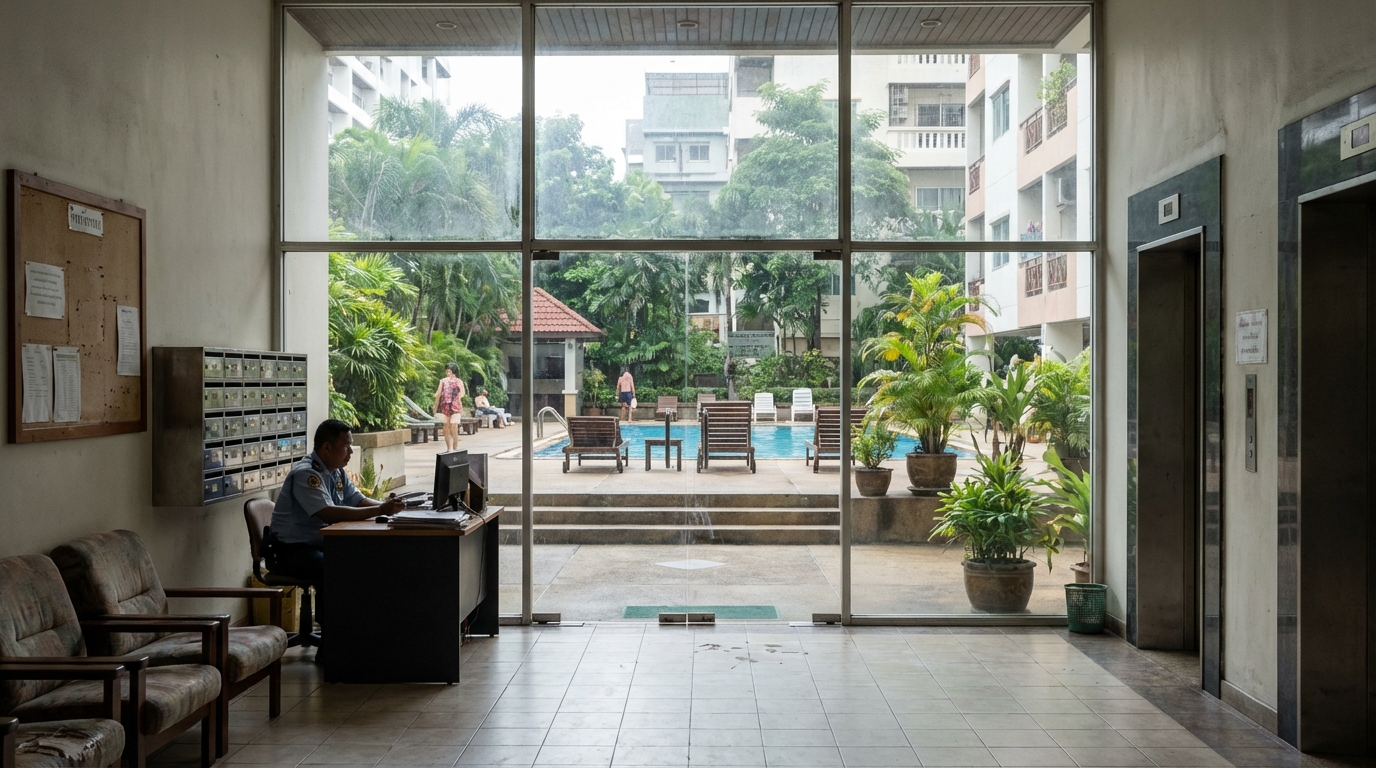
Bangkok is generally safe, but building security varies enormously.
- 24-hour security presence vs. daytime-only coverage
- CCTV in common areas, elevators, and parking
- Key card access to floors, not just the lobby
- Delivery and visitor management protocols
- How the building handles emergencies and communication with residents
Neighborhoods Where Expat Families Cluster
While your housing search will likely be driven by school proximity, here’s a general orientation to where expat families tend to live:
Sukhumvit (Thonglor, Ekkamai, Phrom Phong areas): The largest concentration of expat families. Walking distance to multiple international schools, excellent healthcare, family-friendly restaurants, and a well-established expat community. Premium pricing reflects the convenience.
Sathorn/Silom area: More business-oriented but home to families attending schools in the southern Bangkok area. Generally newer building stock with good facilities.
Along the international school corridors: Many families prioritize minimal commute time and choose housing specifically near their children’s school, even if it’s further from central Bangkok. This is often the most practical approach, especially for schools with early start times.
Questions to Ask Building Management (That Reveal More Than They Realize)
During viewings, these questions help you understand what daily life will actually be like:
-
“How many families with children live in this building?” A building with no other families might indicate it’s not well-suited for children, or might mean you’ll face noise complaints.
-
“When was the AC unit in this unit last serviced? Can I see the records?” Hesitation or unavailability of records tells you something about overall maintenance standards.
-
“Has this building had its structural inspection completed since March 2025?” After the March 2025 Myanmar earthquake (magnitude 7.7, which caused tremors across Bangkok and prompted safety assessments for over 11,000 buildings), this is a reasonable question. A confident answer suggests a well-managed building.
-
“What’s the typical response time when residents report maintenance issues?” Listen to whether they answer specifically or vaguely.
-
“Has this unit or building ever had mold issues? How were they addressed?” Direct question, and the response—or evasion—is informative.
-
“What are the building’s quiet hours, and how are noise complaints handled?” Important for families with early bedtimes and important for understanding how the building treats families.
Earthquake Safety: The New Normal
The March 2025 Myanmar earthquake changed how informed renters think about Bangkok housing. While Bangkok isn’t in a high-risk seismic zone, the tremors were felt across the city, causing over 14,000 reports of building cracks and one construction site collapse.
The Bangkok Metropolitan Administration requested safety assessments from over 11,000 building owners. Some complied promptly; others have been slower.
For families, this matters because:
- Buildings constructed under older codes may not meet current seismic standards
- A building’s willingness to conduct and share safety assessments indicates management quality
- Visible cracks (beyond normal settling) warrant professional evaluation, not reassurance from a landlord eager to sign a lease
You don’t need to be alarmist about this. But you should feel comfortable asking whether the building has been assessed and what the results showed.
Timing Your Lease with International School Terms
This catches many families off guard: Bangkok’s international school calendar doesn’t align neatly with Western lease cycles.
Most international schools begin their academic year in August, with intake also possible in January. Meanwhile, Thai lease agreements typically run in 12-month cycles from whenever you sign.
Practical implications:
- If you’re arriving for August enrollment, you may be signing a lease that expires in July—exactly when you might want flexibility to move or renew
- Negotiating lease dates that align with school years is possible but requires asking
- Current market conditions (18-22% vacancy rates in CBD areas) give tenants more negotiating power than in previous years
Why Families Get Inspections
Corporate relocation packages often include housing allowances and sometimes relocation assistance. What they rarely include: someone who works for you, not the landlord or agency trying to close the deal.
Most property viewings in Bangkok are conducted by agents who earn their commission when you sign. They have zero incentive to point out the mold behind the wardrobe or the AC unit that’s three years overdue for servicing.
An independent inspection before you sign—specifically one that examines the factors that affect children’s health and safety—provides:
- Documentation of existing conditions that protects your deposit when you eventually move
- Identification of maintenance issues before they become your problem
- Air quality and mold assessment that goes beyond what’s visible during a 30-minute viewing
- Safety checks specific to families that agents simply don’t perform
- Bilingual communication with building management about any concerns discovered
The cost of an inspection is typically 10-20% of one month’s rent for premium family units. The cost of discovering mold issues after your children have been sleeping in the room for six weeks is measured differently.
Next Steps for Relocating Families
If you’re preparing for a family relocation to Bangkok, consider these timing factors:
- Begin your housing search 6-8 weeks before your arrival if possible—enough time for viewings, negotiation, and inspection without desperation
- Coordinate with your employer’s relocation support to understand what’s covered and where you need independent assistance
- Research your target school’s location first, then work outward for housing options
- Budget for an independent inspection as part of your relocation costs—not an afterthought
Bangkok Inspect offers family-focused inspections that specifically address the concerns covered in this guide: air quality indicators, mold risk assessment, child safety checks, and the documentation that protects your deposit over a multi-year posting.
Ready to discuss your family’s specific situation? Our inquiry form takes two minutes, and we’ll respond within 24 hours to discuss your needs and timeline.
[Submit Family Inspection Inquiry]
Bangkok Inspect provides independent property condition documentation to support your rental process. Our reports are designed to supplement—not replace—the jointly-signed condition report required between tenant and landlord under Thailand’s 2025 residential leasing regulations (for landlords with 3+ units). Bangkok Inspect is not a licensed property surveyor or legal advisor. For legal matters, consult a qualified Thai attorney.