Thailand's 2025 Rental Regulations: What Landlords Need to Know
You own three condos in Bangkok. You’ve been renting them out for years without major problems. Then in September 2025, Thailand’s Office of the Consumer Protection Board issued new regulations that apply to you — not to the landlord next door with two units, but specifically to you.
The rules aren’t complicated, but they’re mandatory. Misunderstanding them can cost you money and create legal exposure you didn’t have before.
Here’s what changed.
Who These Regulations Actually Apply To
The OCPB regulations target landlords operating as businesses. Specifically, anyone with three or more residential rental units.
This includes you if you:
- Own three or more condos that you rent out
- Manage rental properties on behalf of owners
- Run serviced apartments
- Operate any residential rental business
It doesn’t apply to:
- Landlords with one or two rental properties
- Commercial leases
- Short-term holiday rentals (separate rules may apply)
The three-unit threshold is the dividing line. Two units? You’re exempt. Three? You’re covered. Thailand drew the line between casual landlords and rental businesses.
The Four Core Requirements
The regulations establish four main rules you must follow:
1. Security deposits are capped at one month’s rent
Before September 2025, deposits were unregulated. Some landlords charged two months, three months, even four. That’s no longer allowed. One month maximum.
If you’re currently holding deposits above this cap for existing tenants, the regulation doesn’t require you to refund the excess. But new leases must comply.
2. Advance rent is limited to one month
You can collect the first month upfront, but not three months in advance like some landlords used to require.
3. A jointly-signed condition report is required at move-in
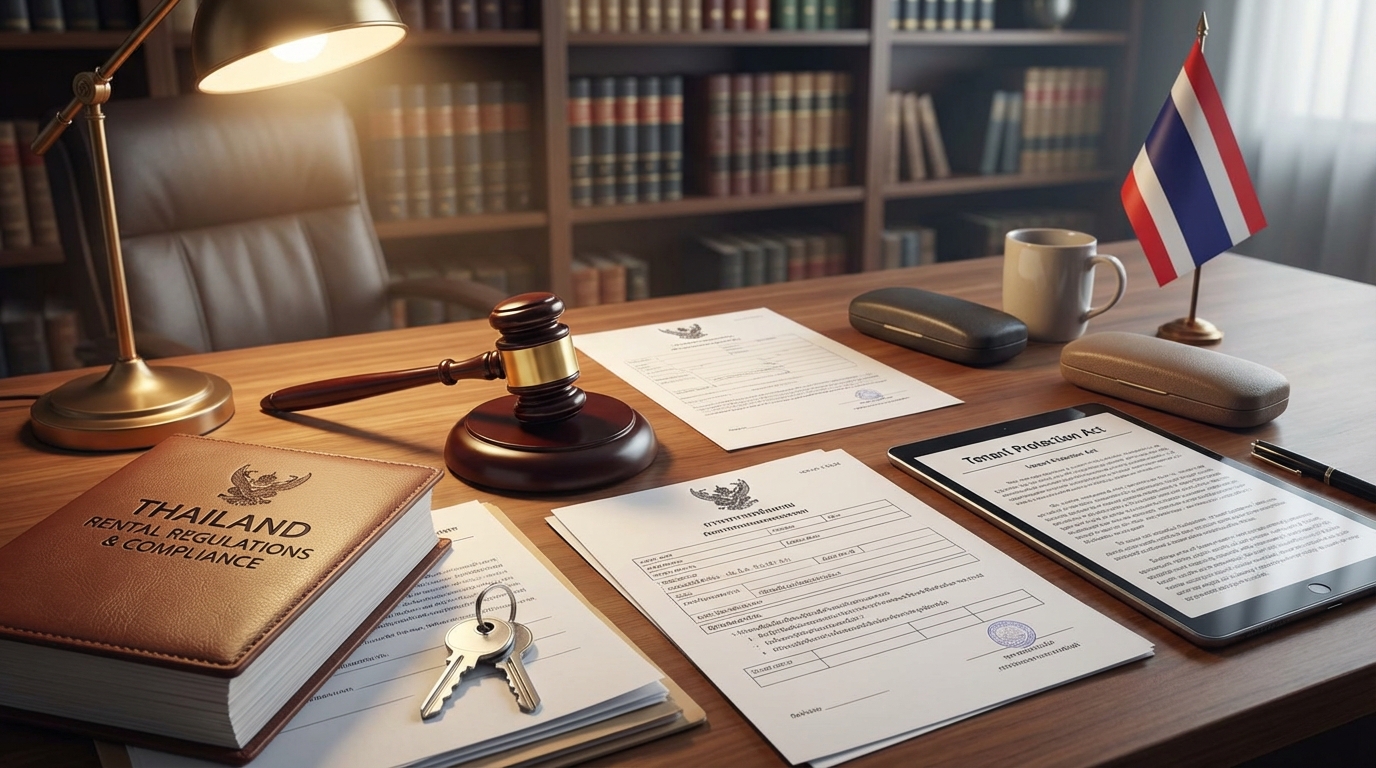
This is the biggest operational change. You must create a written condition report, conduct a move-in inspection with your tenant, and both of you must sign it.
The report becomes the legal baseline for determining damage when the tenant moves out. Without it, you’re vulnerable to disputes you could have avoided.
4. Deposit return timelines are specified
You must return deposits within specified timeframes after the lease ends (typically 7-30 days depending on circumstances). You can still deduct for legitimate damage, but you can’t hold deposits indefinitely while deciding what to claim.
The Jointly-Signed Condition Report
Both you and your tenant must sign a document recording the unit’s condition at move-in. No exceptions.
What the law requires:
- A written checklist or report documenting condition
- Both signatures (yours and the tenant’s)
- Completion at or near move-in
What the law doesn’t specify:
- The format or template you must use
- How detailed it needs to be
- Whether photos are required (they’re not, legally)
- Whether it must be bilingual
This flexibility creates risk. A vague report (“walls in good condition”) doesn’t help either party when disputes arise. You need specifics.
Minimum you should document:
- Walls, floors, ceilings (specific stains, cracks, scuffs)
- Kitchen (appliances, counters, cabinets, plumbing)
- Bathrooms (tiles, fixtures, water damage, mold)
- AC units (working condition, age, maintenance history)
- Windows, doors, locks
- Furniture and fixtures
- Existing damage or wear
Generic descriptions won’t protect you. “Minor wear on floor” doesn’t prove whether the large scratch near the balcony existed at move-in. Be specific about location and condition.
Why This Actually Helps You as a Landlord
These regulations look like bureaucratic burden. They’re not. Proper documentation protects you more than it restricts you.
Here’s the old pattern: Tenant moves out. You claim deposit for wall damage. They claim it was already there. No documentation exists. You argue. They threaten legal action. You return most of the deposit to avoid the hassle.
The new pattern: Tenant moves out. You compare current condition to the signed move-in report. Clear documentation shows damage that wasn’t present before. Tenant has no basis to dispute. You deduct legitimately and move on.
The condition report gives you defensible grounds for deposit deductions. Without it, you’re in “he said, she said” territory, and that rarely works out well for landlords in Thailand’s legal system.
Other benefits: Professional documentation reduces turnover disputes. Clear records help you track property condition over time. Good processes attract better tenants who appreciate transparency. And you reduce risk of OCPB complaints or legal challenges.
What Happens If You Don’t Comply
The OCPB has enforcement authority. Non-compliance can result in:
- Tenant complaints filed with the OCPB
- Mediation processes that favor the tenant
- Potential fines or legal penalties
- Difficulty enforcing lease terms in court
The practical risk is simpler: if you don’t document condition properly and a dispute arises, you’ll have a hard time justifying deposit deductions. The tenant can file an OCPB complaint, and you’ll be in a weak position without the required documentation.
Thailand’s consumer protection framework takes tenant complaints seriously. If you’re covered by these regulations and you’re not following them, you’re creating legal exposure you could have avoided.
How to Implement This
You don’t need to overcomplicate compliance. Here’s a practical approach:
Before move-in:
- Create a detailed condition checklist (or have one created)
- Take photos of the entire unit, including close-ups of any existing damage
- Ensure the document is clear enough that both parties can understand what’s being documented
At move-in:
- Walk through the unit with the tenant
- Fill out the checklist together
- Note any issues they point out
- Both sign and date the document
- Give them a copy, keep one for your records
During tenancy:
- If damage occurs, document it immediately
- Keep records of any maintenance or repairs
- Communicate issues in writing
At move-out:
- Conduct another walk-through inspection
- Compare current condition to the move-in report
- Document any new damage with photos
- Provide a written list of deductions with justification
- Return remaining deposit within the required timeline
The Bilingual Issue
Most of your tenants are probably expats. Your lease might be in English. But the Thai version of any document governs in disputes.
If your condition report is only in Thai, foreign tenants might sign without fully understanding it. If it’s only in English, it doesn’t carry the same legal weight in Thai court.
Bilingual documentation solves this. It’s not legally required, but it reduces disputes and gives both parties clear understanding. If there’s a conflict between English and Thai versions, the Thai controls.
Should You Get a Professional Inspection?
The regulations don’t require you to hire an independent inspector. You can do the condition report yourself with your tenant.
Professional documentation makes sense in several situations:
- The property is high-value (luxury condo, multiple bathrooms, expensive finishes)
- You’re renting to expats who may not fully understand Thai documentation standards
- The unit has a history of disputes
- You want defensible evidence in case of future legal challenges
- You’re managing multiple properties and want consistent standards
Professional inspection gives you timestamped, detailed documentation that holds up better in disputes. It signals to tenants that you take condition documentation seriously.
What About Existing Tenants?
The regulations apply to new leases signed after September 2025. Existing tenants under older lease agreements aren’t automatically covered.
You might want to adopt the practices anyway. It creates consistency across your properties, reduces disputes with long-term tenants, and establishes good documentation practices before renewal.
If you have existing tenants renewing leases, the new regulations apply to those renewals. You’ll need to do a condition report at renewal time.
The Bottom Line for Bangkok Landlords
Thailand’s 2025 regulations create baseline documentation standards that benefit both parties. If you own three or more rental properties, compliance is mandatory.
It’s also practical. Proper condition documentation protects your deposit deductions, reduces disputes, and creates a paper trail that helps you if disagreements arise.
The regulation requires a jointly-signed condition report. Your job is to make sure that report is detailed enough to be useful.
Bangkok Inspect provides independent property condition documentation for landlords who want professional, detailed records to supplement the jointly-signed condition reports required under Thailand’s 2025 residential leasing regulations. Our services are designed for landlords with 3+ units who need defensible documentation for deposit management and dispute prevention. Bangkok Inspect is not a licensed property surveyor or legal advisor. For legal matters, consult a qualified Thai attorney.
Need professional move-in documentation for your Bangkok rental properties?
Contact us via WhatsApp | Telegram | Email
Or visit bangkokinspect.com to learn more about our landlord documentation services.